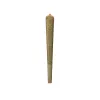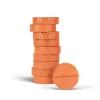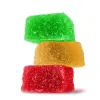

What types of HHC products are available?
HHC products come in various forms, including gummies and disposable vape pens.


The cannabinoid landscape has been rapidly evolving, and HHC products are emerging as a bold new way to chill and relax. In recent years, the focus on cannabinoids has expanded beyond the well-known CBD and THC, introducing novel compounds that offer unique benefits and experiences. HHC is one such cannabinoid that has gained attention for its distinct properties and potential therapeutic benefits. In this article, we will explore what HHC is, how it's manufactured, and the various HHC products available to consumers.
HHC products encompass a wide range of offerings, including edibles, vapes, tinctures, and more. These products are designed to deliver the unique effects of HHC, which is known for its moderate psychoactive potency that falls between that of delta 8 and delta 9 THC. Consumers enjoy HHC products for their ability to induce relaxation, provide anxiety relief, and stimulate appetite, among other potential benefits. With a variety of product types and potencies available, there is an HHC product to suit every preference and need.
HHC, or hexahydrocannabinol, is a hydrogenated derivative of THC (delta 9-tetrahydrocannabinol), the primary psychoactive component found in cannabis. HHC was first synthesized in the 1940s by American chemist Roger Adams through a process called hydrogenation. This process involves adding hydrogen molecules to the delta 9 THC molecule, resulting in the creation of the HHC compound.
HHC is derived from hemp, which has been federally legalized, making it more accessible and widely available than traditional THC. While HHC has psychoactive properties, its effects are considered to be milder than those of delta 9 THC, making it an appealing option for those seeking a more moderate high.
The manufacturing process for HHC starts with the extraction of cannabinoids from hemp plants. This typically involves using CO2 or ethanol extraction methods to separate the desired compounds from the plant material. Once the cannabinoids have been isolated, the next step is to hydrogenate the THC.
Hydrogenation is a chemical process that involves the addition of hydrogen atoms to the THC molecule under high pressure and with the presence of a catalyst. This process breaks the double bond structure of THC and replaces it with hydrogen, resulting in the formation of HHC. The hydrogenation process makes HHC more stable and durable, giving it a longer shelf life compared to THC products.
Once HHC is created, it can be incorporated into various product formulations, such as edibles, vape cartridges, and tinctures. These HHC products are then rigorously tested for quality, safety, and potency before being made available to consumers.
In conclusion, HHC products offer a novel and exciting way for consumers to experience the benefits of cannabinoids. With a range of products available and a unique profile of effects, HHC is poised to become a popular choice for those seeking a new way to chill and relax.
HHC was first discovered in the 1940s by Roger Adams, an American chemist who was studying the chemical composition of cannabinoids. Adams created HHC through a process known as hydrogenation, in which he added hydrogen molecules to delta 9 THC. This process transformed THC into the distinct compound that we now know as HHC. Over the years, as the hemp market expanded and more attention was given to alternative cannabinoids, HHC experienced a resurgence in popularity and an increase in product development.
As the popularity of HHC continues to grow, the market has expanded to include a variety of products designed to cater to individual preferences and needs. Here is a brief overview of some of the most popular HHC products available today:
As the HHC market continues to evolve, consumers can expect even more innovative products to become available, providing a range of options to suit individual preferences and needs.
HHC products are known for their potential therapeutic benefits, which include:
While HHC is generally considered safe, some users may experience side effects, which can include:
Yes, HHC has psychoactive properties, meaning it can produce a high. However, the intensity of the high experienced from HHC is typically milder than that of delta 9 THC. The effects of HHC fall between those of delta 8 products and delta 9 products, making it a more moderate option for those seeking a psychoactive experience.
Drug tests primarily screen for THC and its metabolites. Since HHC is a derivative of THC and has a similar chemical structure, there is a possibility that it could trigger a positive result on a drug test. Although the likelihood of this occurring may be lower than with traditional THC, it is essential to be aware of the risk when using HHC products. If you are subject to drug testing for any reason, it is advisable to discuss your use of HHC products with your healthcare provider or employer to ensure compliance with any applicable policies or regulations.
HHC is just one of many cannabinoids found in the cannabis plant, each offering unique effects and benefits. Understanding the differences between HHC and other cannabinoids can help users determine which product might be best suited for their individual needs and preferences. Here's a table comparing the effects of HHC to delta 8, delta 9, CBD, delta 10, and THCP:
|
Cannabinoid |
Psychoactive Effects |
Pain Relief |
Anxiety Relief |
Relaxation & Appetite Stimulation |
Sleep Aid |
Energy & Focus |
|---|---|---|---|---|---|---|
|
HHC |
Moderate |
Yes |
Yes |
Yes |
Yes |
No |
|
Delta 8 |
Mild to Moderate |
Yes |
Yes |
Yes |
Yes |
No |
|
Delta 9 (THC) |
Strong |
Yes |
Yes |
Yes |
Yes |
No |
|
CBD |
Non-psychoactive |
Yes |
Yes |
Yes/No |
Yes |
No |
|
Delta 10 |
Mild |
Yes |
No |
No |
No |
Yes |
|
THCP |
Very Strong |
Yes |
No |
Yes |
No |
No |
As the cannabinoid market continues to evolve and expand, HHC products have emerged as a popular option for those seeking a unique and versatile hemp-derived experience. With various forms available, such as gummies, disposable vapes, and carts, users can find the perfect product to suit their preferences and desired effects.
While HHC offers many benefits, including pain relief, anxiety relief, relaxation, and appetite stimulation, it's essential to remember that individual responses to cannabinoids can vary. It's crucial to start with a low dose and gradually increase it to find the optimal level for your needs.
Hemp is cannabis with a Delta-9 THC concentration ≤ 0.3% by dry weight.
Consumable hemp products are federally legal and permitted to ship over state lines.
Explore answers to our most commonly asked questions about CBD, our products, and more.
HHC products come in various forms, including gummies and disposable vape pens.
HHC disposable vapes work by heating up the HHC vaping oil in the atomizer using the pre-charged battery when the user presses the button on the outside of the device. The oil is turned into vapor which is inhaled by the user.
It can take up to 30 minutes to feel the effects of HHC gummies, but it may take up to four hours for the effects to peak. The onset time may vary depending on factors such as dosage, metabolism, and individual tolerance.
HHC gummies last longer compared to other forms of consumption due to their slow metabolization, and the effects can last up to eight hours. It is essential to start with small doses and take it slow with HHC gummies.
Just like with THC and other cannabinoids, it is possible to build a tolerance to HHC with regular use. To maintain the effectiveness of HHC products, it's recommended to take breaks or use them in moderation.
Some users may experience side effects like dizziness, dry mouth, fatigue, and changes in appetite. It's important to use HHC responsibly and in moderation to minimize the risk of adverse effects.

Register now and receive a one time 25% discount coupon on your first purchase.
By registering you agree to our Privacy and Cookie Policy and Terms & Conditions.
Our agents are here to help you.